Learning Stages
Four Stages. Ages 5–18. One Coherent Pathway.
IFISA’s developmental framework ensures every learner builds cumulative, age-appropriate competencies from their very first year.
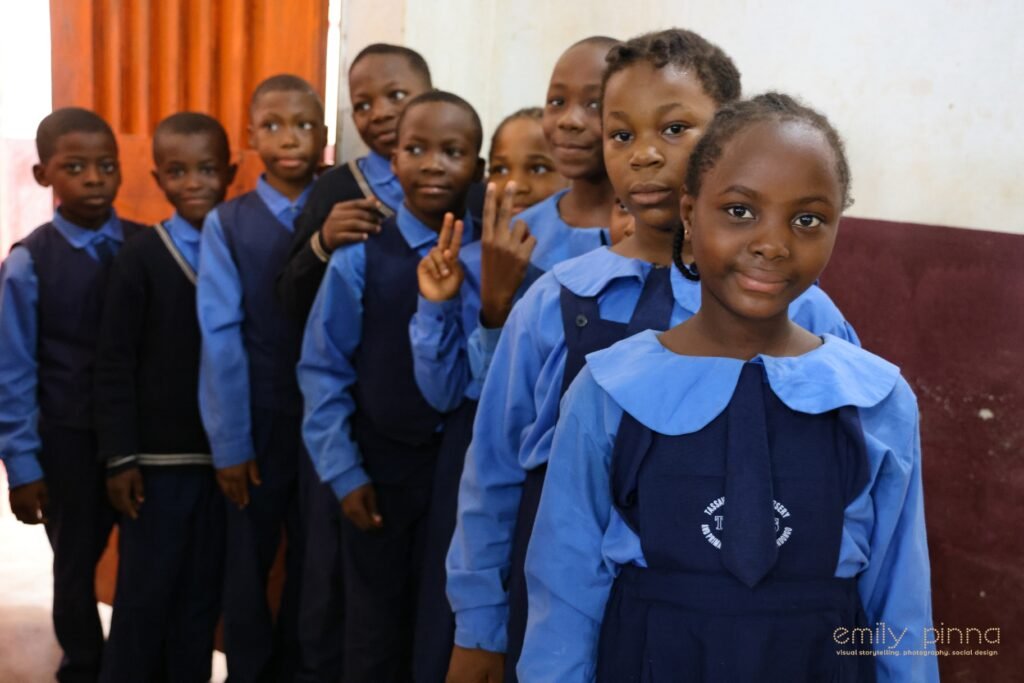
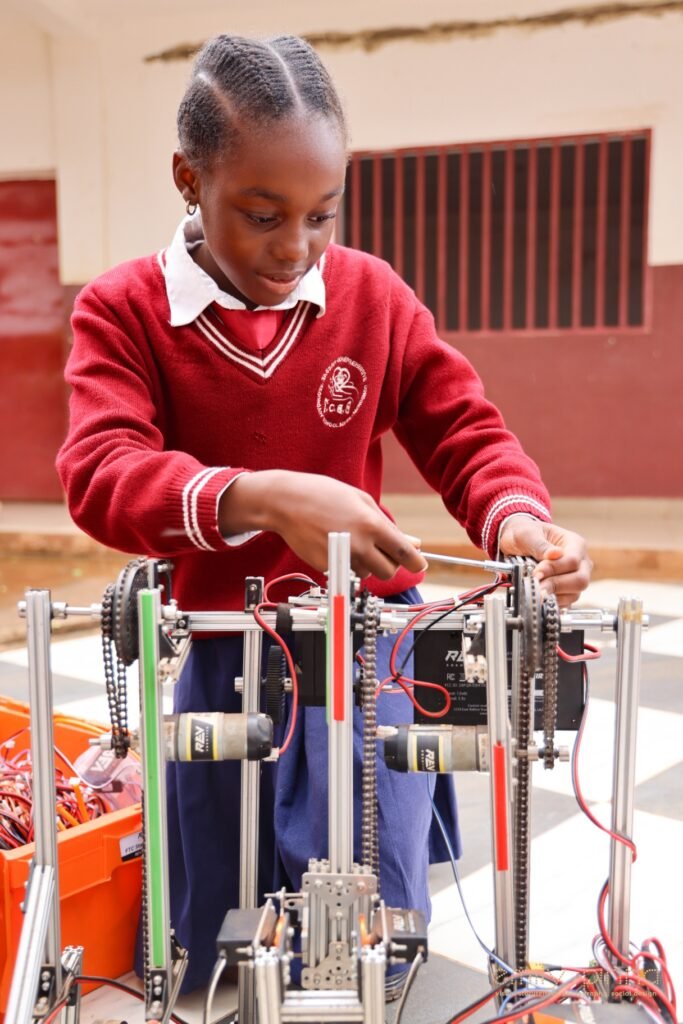
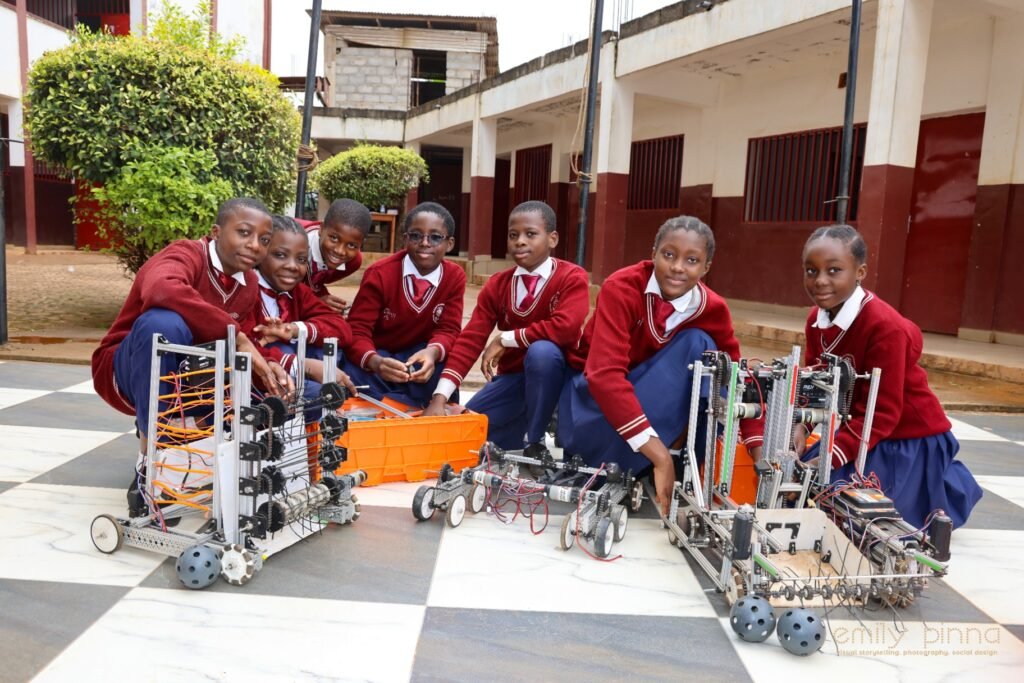
Stage One · Ages 5–7
Future Explorers
The earliest stage of IFISA introduces learners to the wonder of the world through discovery, storytelling, unplugged computation, and hands-on exploration. Learning is play-based and curiosity-driven.
What Students Learn
Laying the Foundations of a Scientific Mind
- Discovery and observation: noticing patterns, asking questions, making predictions
- Unplugged coding: sequencing, algorithms, and logic without screens
- Storytelling with technology: combining narrative with simple digital tools
- Early robotics: programmable toys, directional movement, cause and effect
- Creative mathematics: shapes, patterns, sorting, and spatial reasoning
- Nature-based observation: environmental science through direct experience
Stage Milestone
Students complete a guided exploration project, demonstrating their ability to observe, document, and present a question about the world around them.
Stage Two · Ages 8–11
STEM Discoverers
Students begin building real technical skills alongside deepening scientific understanding. Coding, data, and design thinking become consistent parts of the weekly learning experience.
What Students Learn
Building Real Skills and Systematic Thinking
- Coding foundations: block-based and intro text-based programming
- Engineering design: design-build-test cycles with real materials
- Mathematical modelling: applied maths for measurement, estimation, and problem solving
- Data exploration: collecting, graphing, and interpreting real data sets
- AI concepts: what AI is, how it learns, and where it affects daily life
- Environmental systems: ecology, sustainability, and systems thinking
Stage Milestone
Students complete a design challenge, build a working prototype, and present their process and findings, the first entry in their IFISA Innovation Portfolio.
Stage Three · Ages 12–14
Emerging Innovators
Students cross from exploration into serious technical work. They write real code, build complex systems, engage with AI, and tackle authentic engineering challenges with increasing independence.
What Students Learn
Technical Depth and Independent Problem Solving
- Python programming: text-based coding for real data and automation tasks
- Robotics engineering: sensors, actuators, programming, and system integration
- Electronics: circuits, microcontrollers, and hardware interaction
- Design thinking: human-centered problem solving and prototyping
- Data literacy: statistics, visualisation, and data storytelling
- AI algorithms: how machine learning works and how to critique AI systems
- Technical documentation: communicating processes and findings in writing
Stage Milestone
Students complete an independent technical project (a coded solution, a physical prototype, or a data investigation) documented and presented as a portfolio capstone.
Stage Four · Ages 15–18
Global STEM Scholars
The final stage of IFISA. Students choose a specialisation pathway and pursue advanced, independent, real-world work that prepares them for university and beyond.
AI and Data Science
Machine learning foundations, analytics, AI ethics, data storytelling, and predictive modelling.
Robotics and Engineering
Embedded systems, automation, mechatronics, and full design-build-test engineering cycles.
Biomedical and Health Technologies
Bioinformatics, health data, wearables, and biomedical design challenges.
Entrepreneurship and Innovation
Venture design, product development, social entrepreneurship, and innovation leadership.
Bring This Pathway to Your School
Talk to our team about how IFISA can be implemented alongside your existing curriculum and academic programme.