
Student Experience
What Students Actually Do in IFISA Schools
IFISA is defined by what happens in the room, not just what’s on the syllabus. Here’s what learners experience every week.
Daily Learning
Students in IFISA Schools
Across every stage, IFISA students are active, curious, and building real things, not just listening and writing notes.
Ask questions and investigate problems
Every lesson starts with a real question or challenge, not a pre-defined answer. Students learn to be scientists before they learn to be students.
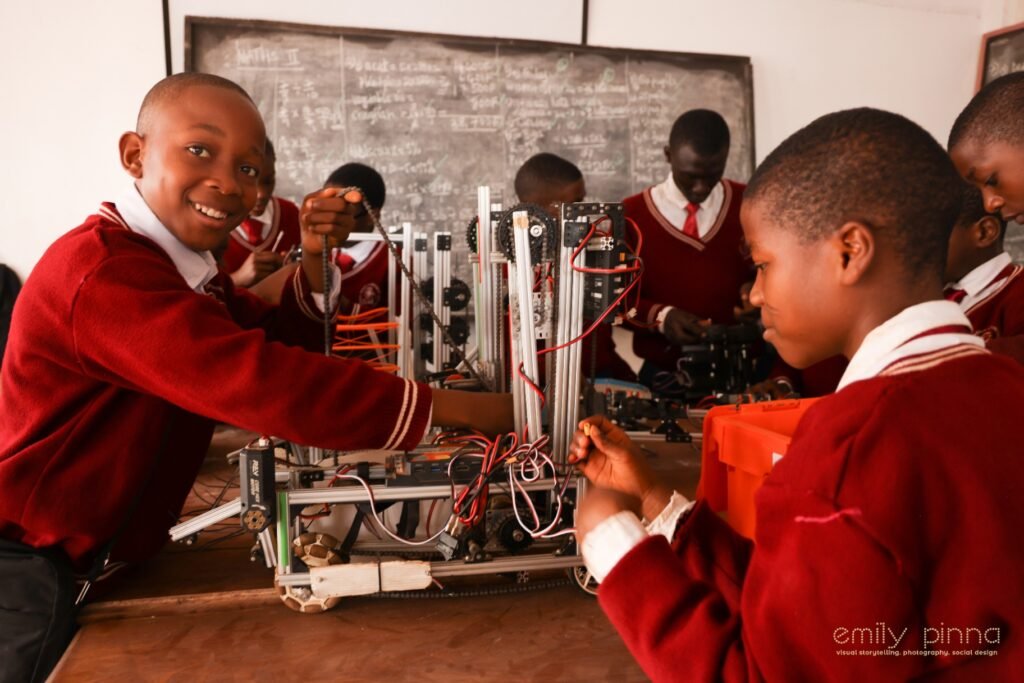
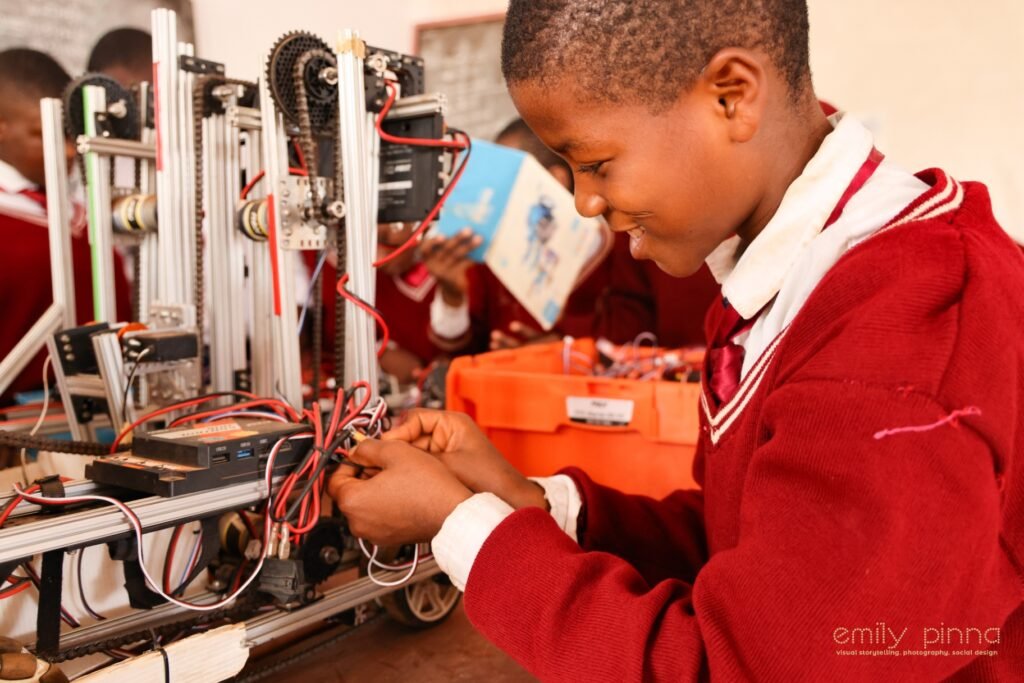
Code, build, test, debug, and redesign
Students write real code, assemble physical systems, test them against criteria, and iterate. Failure is part of the methodology.
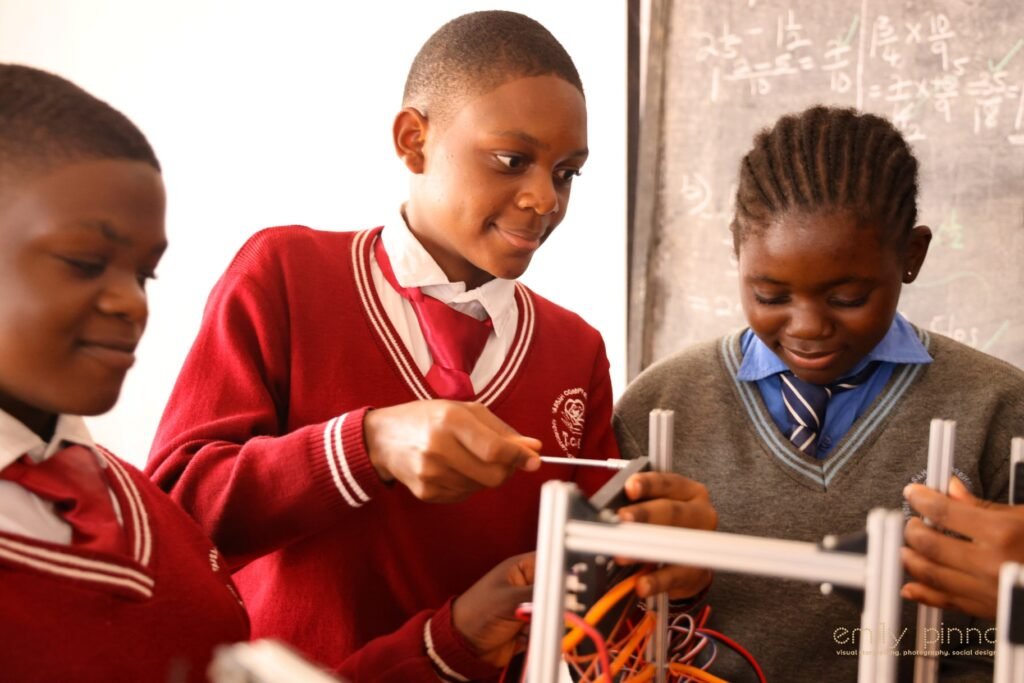
Work in teams and communicate publicly
Collaboration and communication are not electives. Students present their work, defend their reasoning, and give feedback to peers throughout the year.
Analyse real data and create evidence-based arguments
Students work with actual datasets, from environmental data to community surveys, and use them to form and communicate conclusions.
Document their process and reflect on learning
Portfolio entries, technical write-ups, and structured reflection are core habits, building metacognitive skills and professional communication over time.
Engage with local challenges through STEM projects
Community problems, from clean water access to traffic safety, become the fuel for real engineering and design projects that matter beyond the classroom.
Participate in showcases, fairs, and competitions
Students present their work to real audiences: judges, community members, industry professionals, and fellow students at IFISA events and international competitions.
Build a visible portfolio of growth over time
From first year through graduation, every IFISA student curates an Innovation Portfolio: a living record of their growth, projects, and emerging expertise.
Learning Environments
Where IFISA Learning Happens
IFISA learning spans four distinct environments, each complementing the others to create a rich, whole-school experience.
Classroom Learning
Inquiry-based STEM lessons, AI concept exploration, mathematical modelling, engineering sprints, and technical writing integrated into regular class time.
Studio & Lab Activities
Robotics build labs, electronics sessions, maker challenges, AI/data labs, CAD modelling, wearable tech design, and biomedical prototyping.
Community & Applied Learning
Local problem-solving projects, sustainability design, community data collection, public exhibitions, and service-linked STEM innovation.
Enrichment & Ecosystem
STEM fairs, innovation expos, hackathons, robotics competitions, AI ethics debates, entrepreneurship incubators, and university/industry mentorship.
Longitudinal Pillars
Five Threads That Run Through Every Year
These five pillars connect every learning stage into a coherent journey. Students return to them year after year with increasing depth.
Innovation Portfolio
A curated, evolving portfolio of projects, reflections, and competency evidence built from Year 1 through graduation. The portfolio is the student’s primary credential for university applications and employment.
Community Impact Projects
At every stage, students tackle a real challenge in their local community, applying their STEM skills to problems that matter to the people around them.
AI Ethics & Digital Citizenship
Technology is not neutral. Students develop the critical lens and ethical framework needed to use AI, data, and digital tools responsibly throughout their education and careers.
Career Exploration & Mentorship
Students meet professionals, visit workplaces, and access mentors from industry and research, building real-world context for their technical learning.
Elite International Competitions
Students are prepared for and supported through international STEM competitions (robotics, AI, science olympiad, innovation challenges) where they represent their schools on a global stage.
Want Your Child in an IFISA School?
Learn more about how families can get involved, or find out whether there is an IFISA-affiliated school in your area.