Pathways & Curriculum
Seven Strands. Four Pathways. One Graduate Profile.
IFISA’s curriculum weaves seven integrated strands through all 13 years, culminating in four deep specialisation pathways for upper secondary students.
Curriculum Strands
Seven Strands Woven Across All 13 Years
These strands are not separate subjects. They are integrated dimensions of learning that run through every stage, every discipline, and every project.
Strand One
Computational Thinking and Coding
Algorithms, decomposition, pattern recognition, abstraction, and programming, applied across all subjects from age 5 through 18, growing from unplugged activities to production-level code.
Strand Two
Mathematics for Modelling and Problem Solving
Applied mathematics, statistics, quantitative reasoning, and modelling, used to solve real problems, not just pass exams.
Strand Three
Science and Inquiry
Empirical investigation, hypothesis testing, observation, data collection, and evidence-based reasoning across life, physical, and earth sciences.
Strand Four
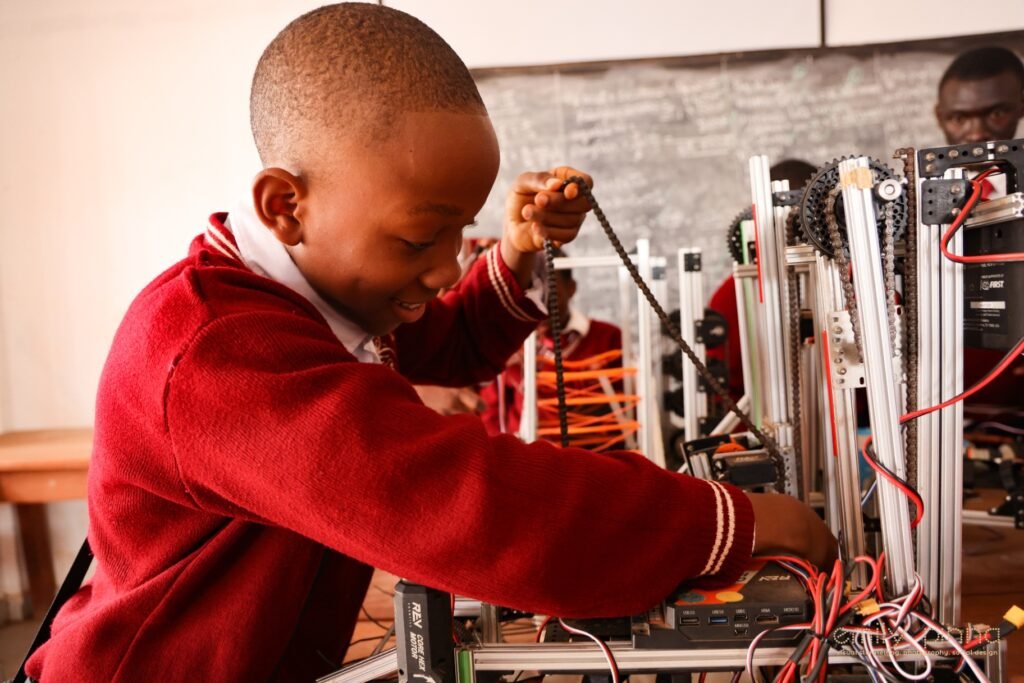
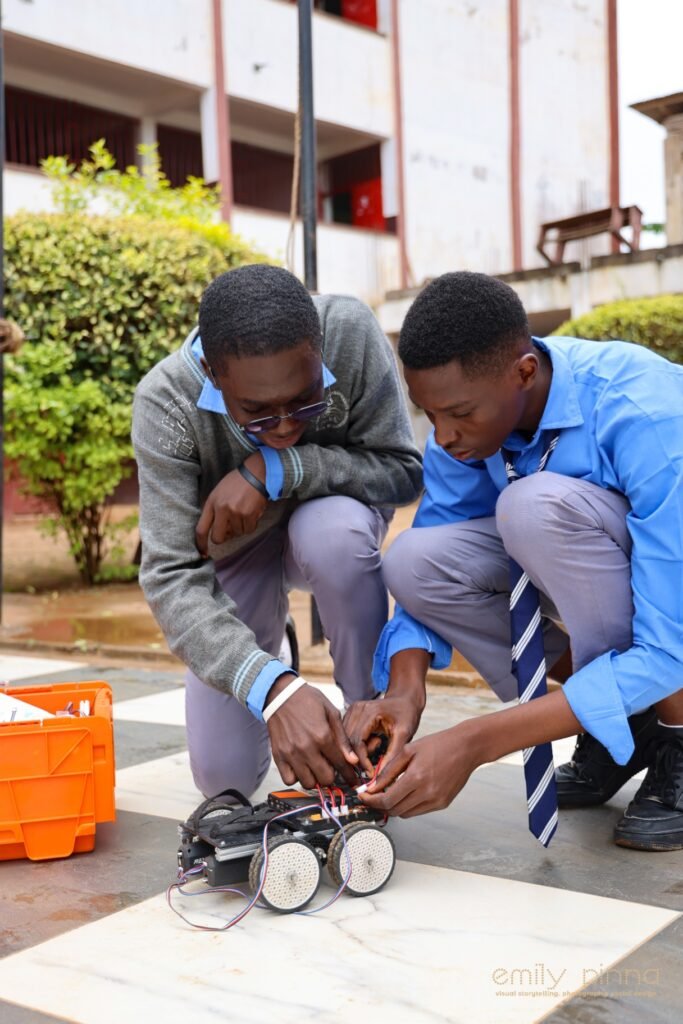
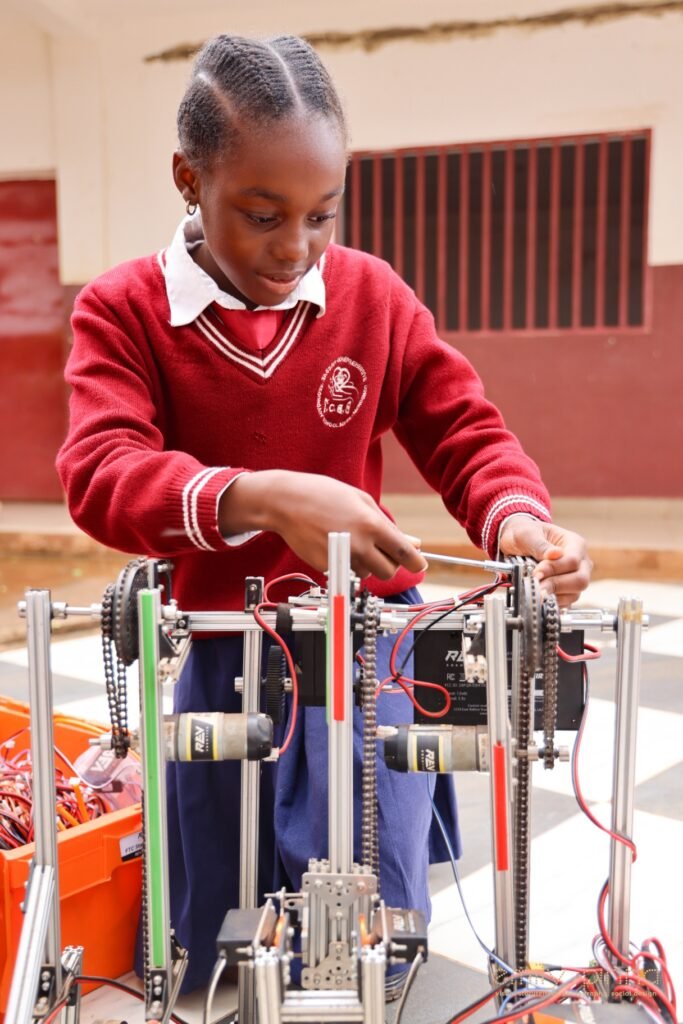
Engineering, Robotics, and Making
Design-build-test-iterate cycles, mechanical and electronic systems, robotics, digital fabrication, and maker culture.
Strand Five
Data, Statistics, and AI
Data literacy, visualisation, statistical analysis, AI concepts and algorithms, machine learning foundations, and AI ethics from early years through graduation.
Strand Six
Design, Creativity, and Communication
Visual communication, design thinking, creative problem solving, prototyping, and the ability to communicate technical ideas clearly and compellingly.
Strand Seven
Ethics, Citizenship, and Leadership
Digital citizenship, AI ethics, environmental responsibility, equity, social impact, and the leadership skills to drive change in complex systems.
Upper Secondary · Ages 15–18
Four Specialisation Pathways
At Stage 4, students choose a specialisation pathway that deepens their expertise and positions them for university, research, or industry entry in their chosen field.
Pathway 1
AI and Data Science
Students develop deep expertise in working with data and intelligent systems, from statistical foundations through to machine learning and responsible AI deployment.
Pathway 2
Robotics and Engineering
Students specialise in the design, programming, and deployment of physical systems, from embedded electronics to fully autonomous robotic platforms.
Pathway 3
Biomedical and Health Technologies
Students explore the intersection of biology, data, and technology to tackle real health and life-science challenges through bioinformatics and biomedical design.
Pathway 4
Entrepreneurship and Innovation
Students learn to identify real-world problems and design scalable solutions, developing the technical, business, and leadership skills to build and pitch impactful ventures.
Want to Implement These Pathways?
Schools can implement the full curriculum or begin with selected stages or strands. Our team will help you design the right implementation plan.